
So, I was fiddling around with some staking options on Solana the other day, and man, picking the right validator feels like choosing a college football team—everyone claims to be the best, but the stats tell a different story. Seriously, there’s a lot more nuance than just slapping your tokens on the highest APR. You gotta think about reliability, uptime, and what those validators actually represent within the network. Hmm… it’s kinda like trusting a barista with your morning coffee—sure, they can make it, but the taste varies wildly.
At first, I thought, “Hey, just pick the validator with the biggest stake, that’s gotta be solid.” But then I realized—wait, that might lead to centralization problems, which defeats the whole decentralized vibe DeFi promises. On one hand, you want security from experienced validators; on the other, you want to support diversity to keep the network robust. It’s a balancing act, really.
Here’s the thing. Validators on Solana aren’t just nodes churning out blocks—they’re gatekeepers of trust. Their uptime, commission fees, and community reputation all matter. Some validators run with very low fees to attract delegations but might not be as battle-tested. Others have steeper fees but boast near-perfect uptime and active governance roles. Your choice impacts not just your yield but the health of the entire ecosystem.
Yield farming adds another layer of complexity. Really? Yeah. Yield farming on Solana can be super lucrative, but it’s not just about chasing the highest APR numbers you see flashing around. Those numbers can be super volatile. Plus, some DeFi protocols have hidden risks like impermanent loss, or worse, potential smart contract vulnerabilities. I learned this the hard way when I jumped into a farm that looked great on paper but was plagued with bugs and low liquidity.
What bugs me about a lot of DeFi guides is that they oversimplify the stakes. Farming isn’t just “lock tokens and watch profits grow.” Nope, you have to consider how your staked tokens are secured, what happens if a validator goes down, and how the protocol handles slashing penalties. Oh, and by the way, fees on Solana are ridiculously low compared to Ethereum, but that doesn’t mean you can be careless.
Validator Selection: More Than Just Numbers
Okay, so check this out—choosing the right validator involves a bit of detective work. I usually start by checking their uptime stats and commission rates, but that’s just scratching the surface. I dig into community forums and Twitter to see if they’re transparent, responsive, and involved in governance. If a validator’s silent or disappears for days, that’s a red flag.
Here’s a tip: diversify your stake across a few trustworthy validators rather than putting all your eggs in one basket. It’s like spreading risk in a stock portfolio, but for DeFi. That way, if one validator has issues, you’re not totally sunk. Plus, supporting smaller validators helps decentralize the network, which is healthier long-term.
My instinct said, “Go with the biggest pools,” but actually, wait—let me rephrase that. Big pools offer stability, sure, but they also risk centralizing power. Some smaller validators, backed by passionate community members, sometimes punch way above their weight with excellent performance. The trick is balancing between size, reliability, and fees.
If you’re new to this, you might want to try tools that track validator performance and slashing history. And don’t forget to check if a validator participates in community votes or upgrades—that’s a good sign they’re invested in Solana’s future.
Yield Farming: Risk, Reward, and Real Talk
Yield farming on Solana is tempting because of the low fees and fast transactions, but there’s no free lunch. I’ve seen APRs that look like rocket fuel, only to crash a week later. Sometimes, those juicy returns come with hidden gotchas—like liquidity that dries up or tokens that plummet in value.
One thing I’m biased about: I prefer protocols with transparent teams and open audits. It’s not foolproof, but it helps. Also, think about your exit strategy—some farms lock your tokens for days or weeks. If the market tanks, you might be stuck holding bags. That part bugs me a lot.
And yeah, impermanent loss is a sneaky beast. If you’re providing liquidity for paired tokens and one token’s price swings wildly, your effective returns can take a hit even if the APR looks good. This is where understanding the economics behind yield farming pays off.
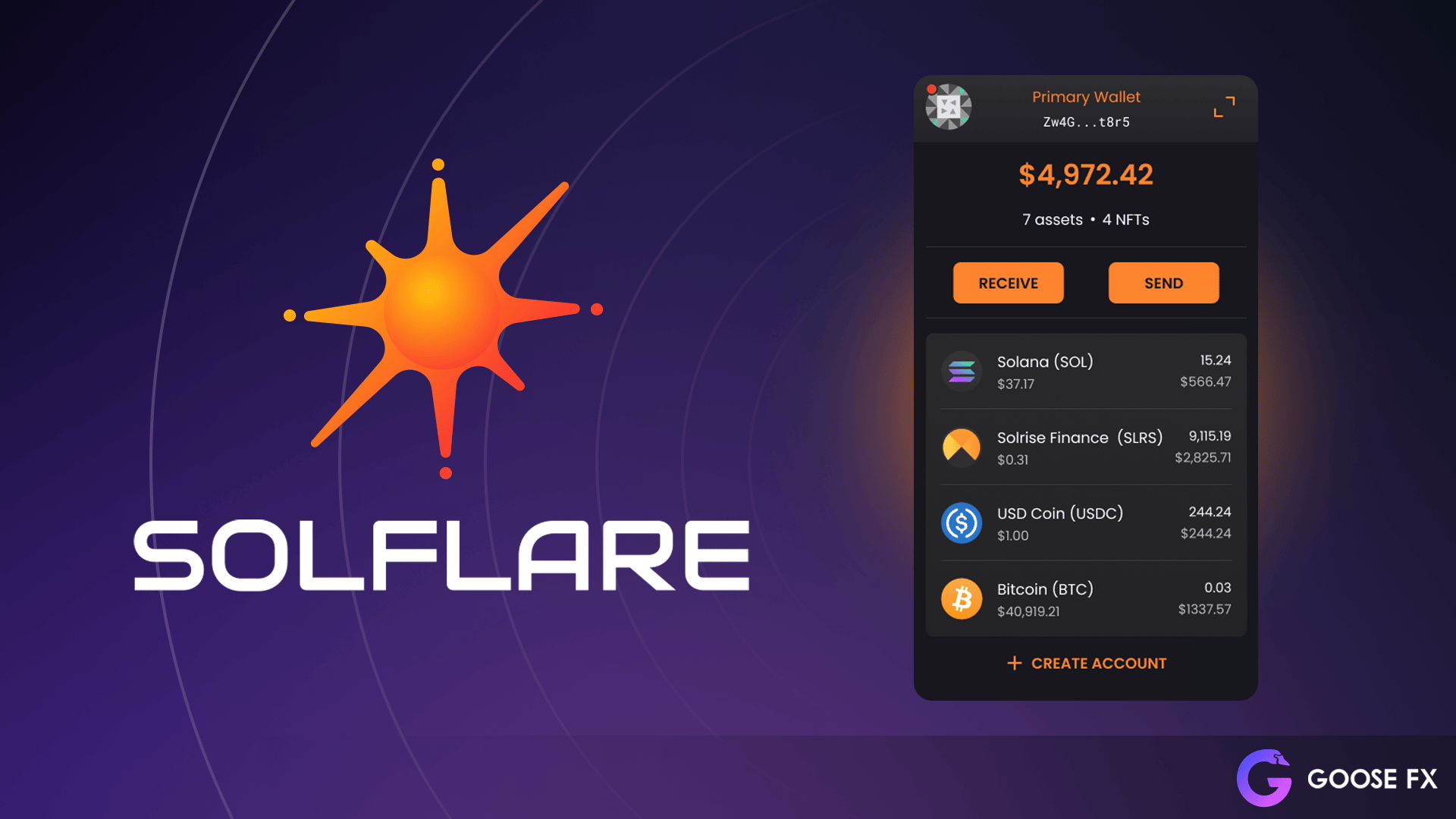
Pro tip: Use a secure wallet that supports staking and DeFi apps smoothly. I’ve been using Solflare, and honestly, it’s been a game-changer for managing my staking and farming activities. If you haven’t tried it yet, here’s the solflare wallet download link. The UI is clean, and it integrates well with most Solana DeFi protocols.
Personal Experience: Lessons Learned the Hard Way
Let me share a quick story. I once delegated to a validator that had a killer commission rate but was notorious for downtime. My first instinct was to chase the yield. But after a couple of missed rewards due to their node going offline, I realized that the “cheap” option wasn’t cheap at all. The lost staking rewards ended up wiping out any commission savings.
Also, I tried yield farming on a new protocol that promised sky-high returns, but it had low liquidity and wasn’t audited thoroughly. Yeah, that was a bumpy ride. Not only was withdrawing tricky, but the token price tanked soon after, and I was left wondering if I’d just thrown money into a black hole. Lesson learned: DYOR (do your own research) isn’t just a slogan.
On the flip side, I found that diversifying across a few farms with moderate returns but solid teams felt way safer. It’s less thrilling, sure, but my portfolio feels more stable. DeFi gives you options, but it also demands respect for the risks involved.
Wrapping My Head Around DeFi’s Future on Solana
Honestly, DeFi on Solana is still evolving. There’s this wild energy where new protocols pop up almost daily, but the ecosystem is maturing too. Validators are becoming more professional, and yield farming strategies are getting smarter. That said, it’s not a set-it-and-forget-it game. You gotta stay engaged.
What I keep coming back to is the importance of solid infrastructure. Without reliable validators and secure wallets, all the fancy yield farming strategies are just castles built on sand. That’s why I trust apps like Solflare, which combine security with usability. You can get started easily with the solflare wallet download, and that’s where your DeFi journey on Solana really begins.
So yeah, keep your eyes peeled, don’t rush into the flashiest yields, and think about the bigger picture. DeFi isn’t just about profits—it’s about building a resilient, decentralized financial future. And that’s worth a little patience and careful picking.